Connecting Rod Crack Detection
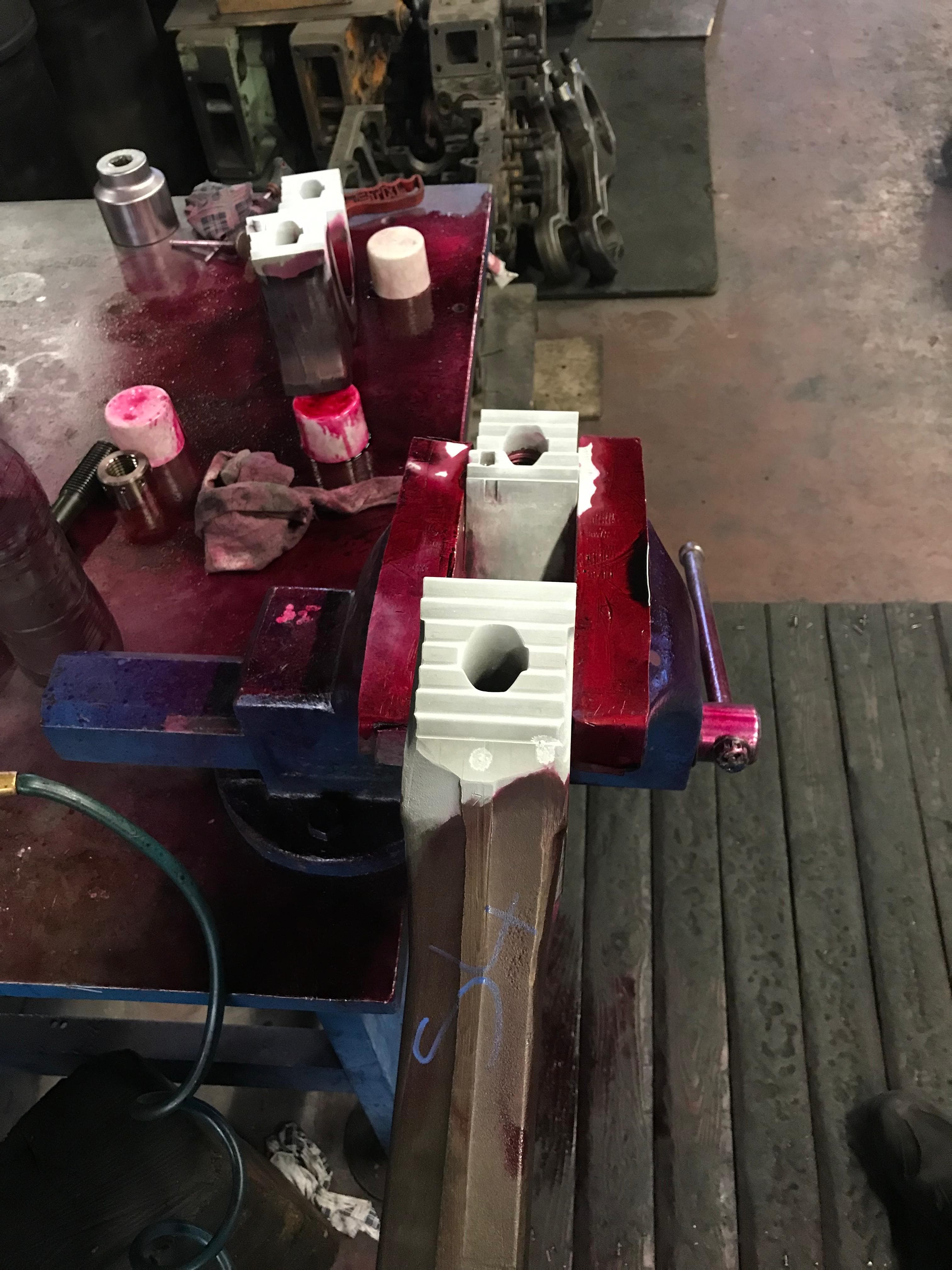
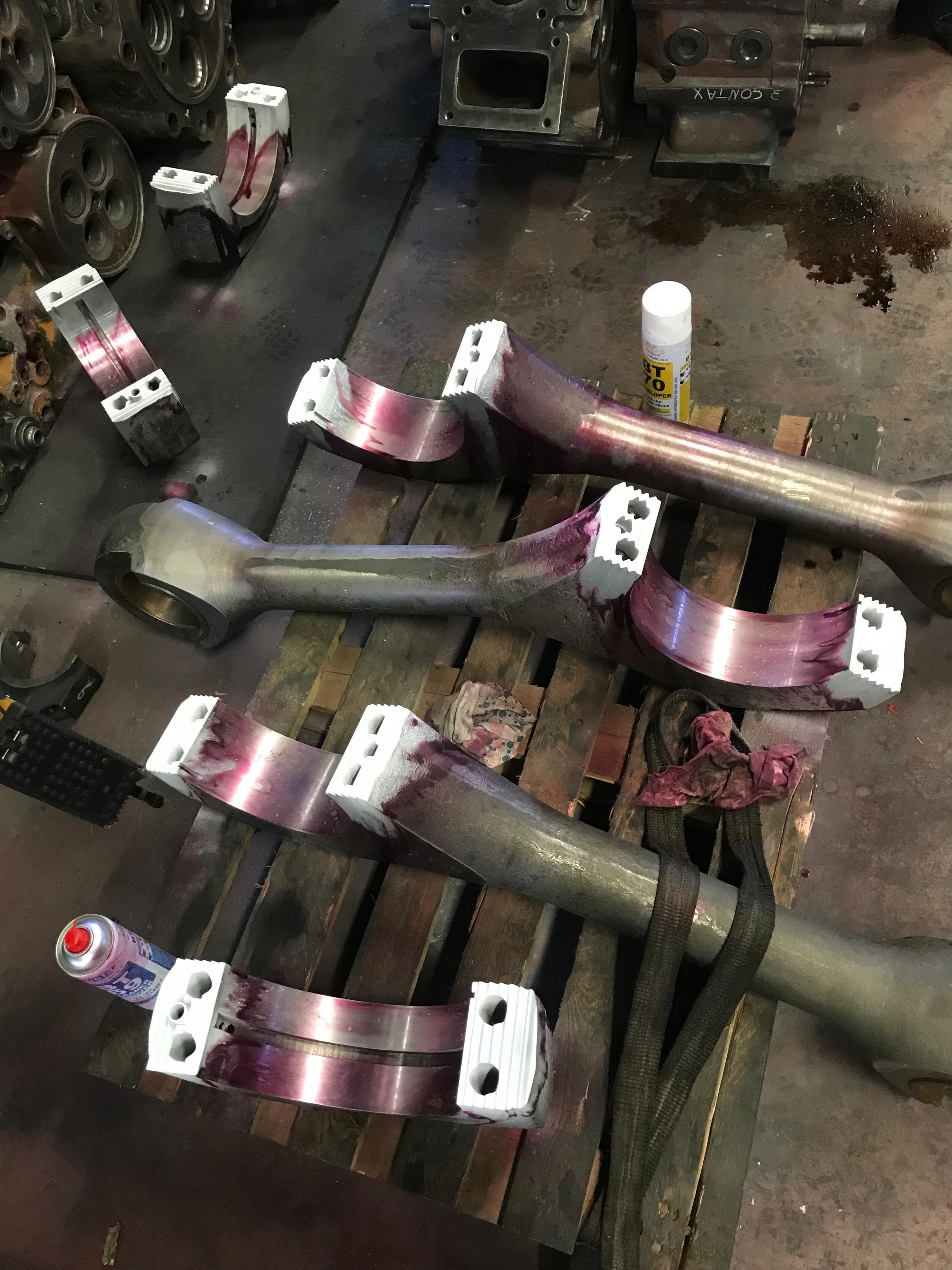
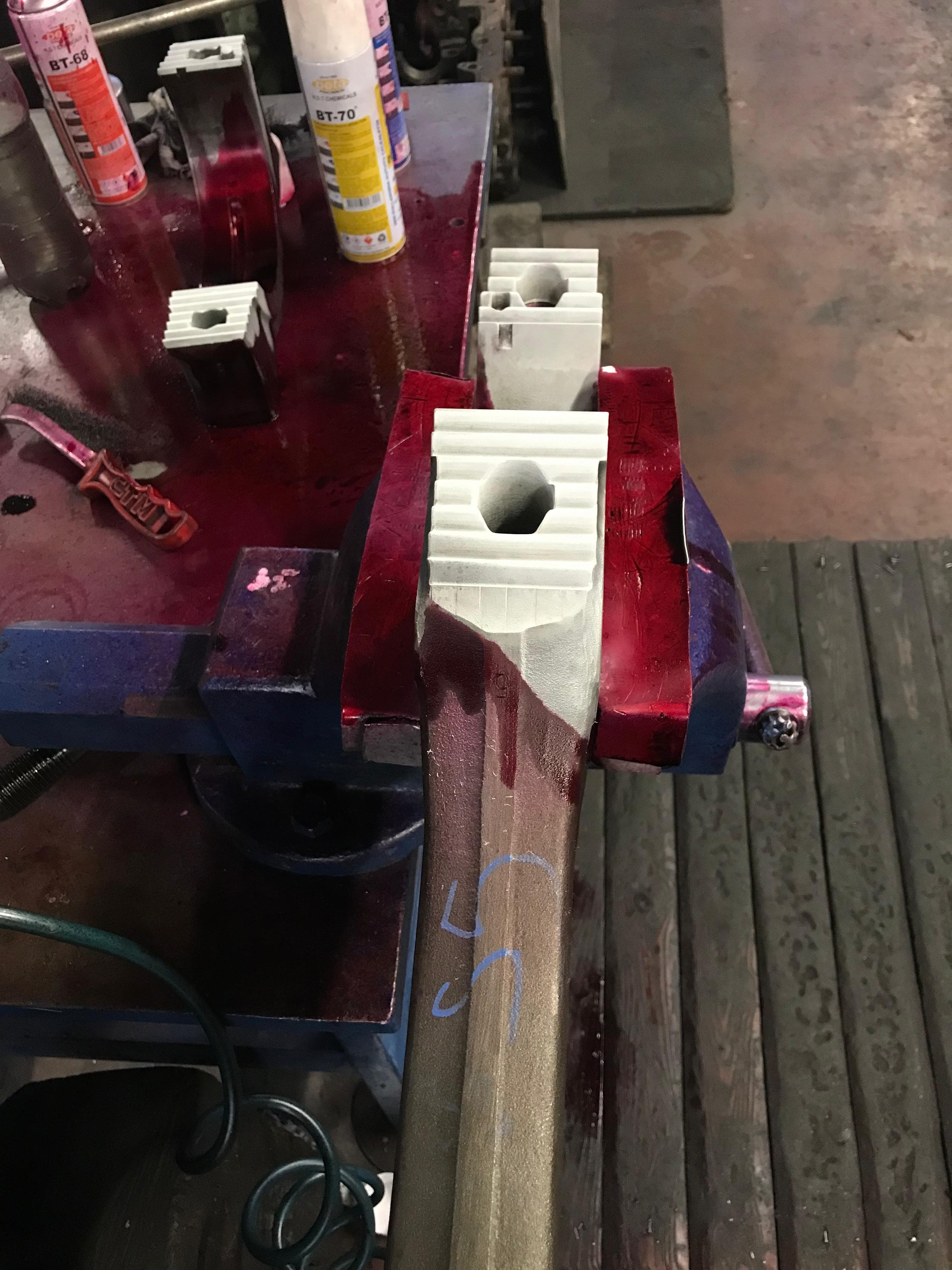
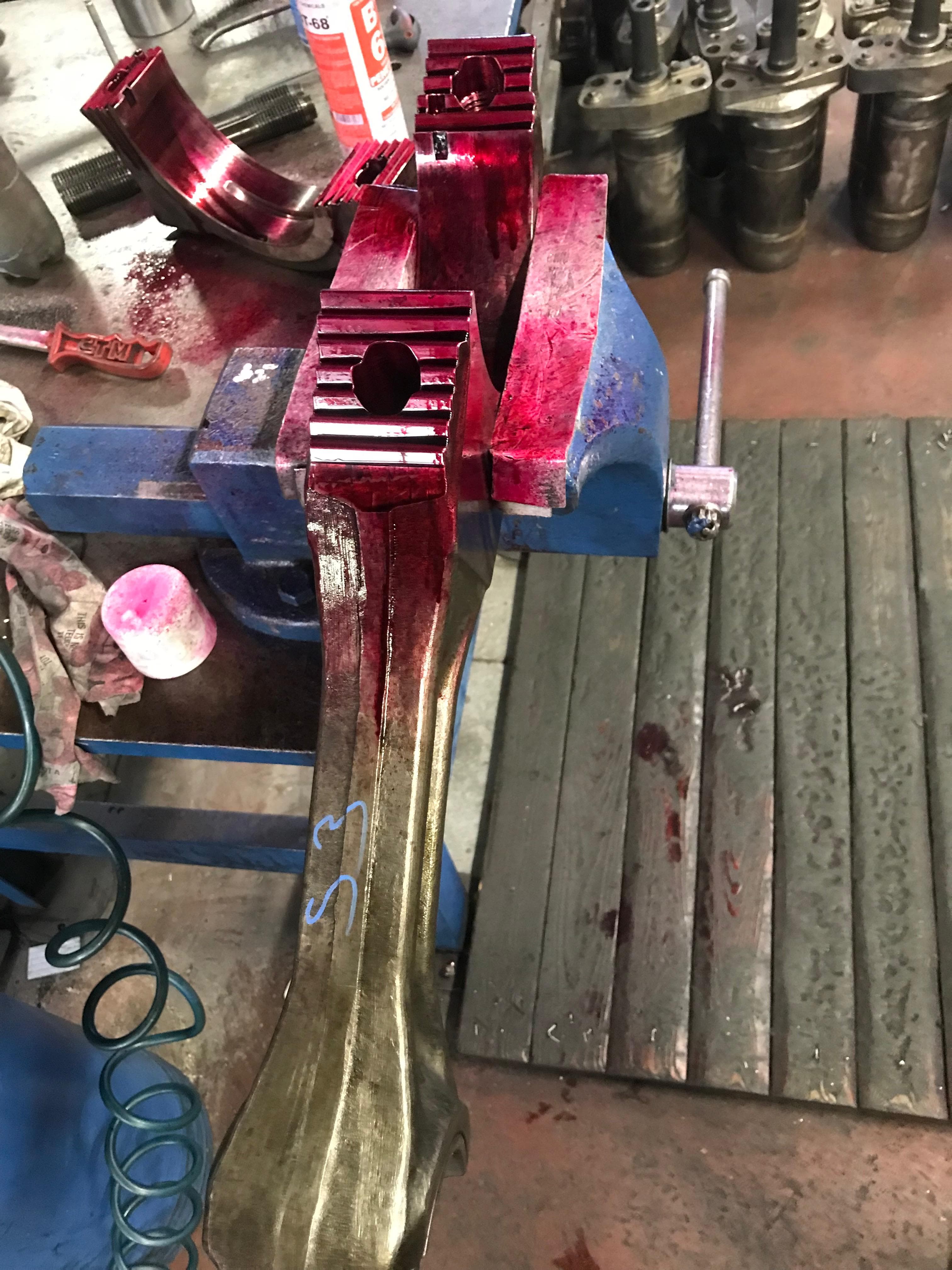
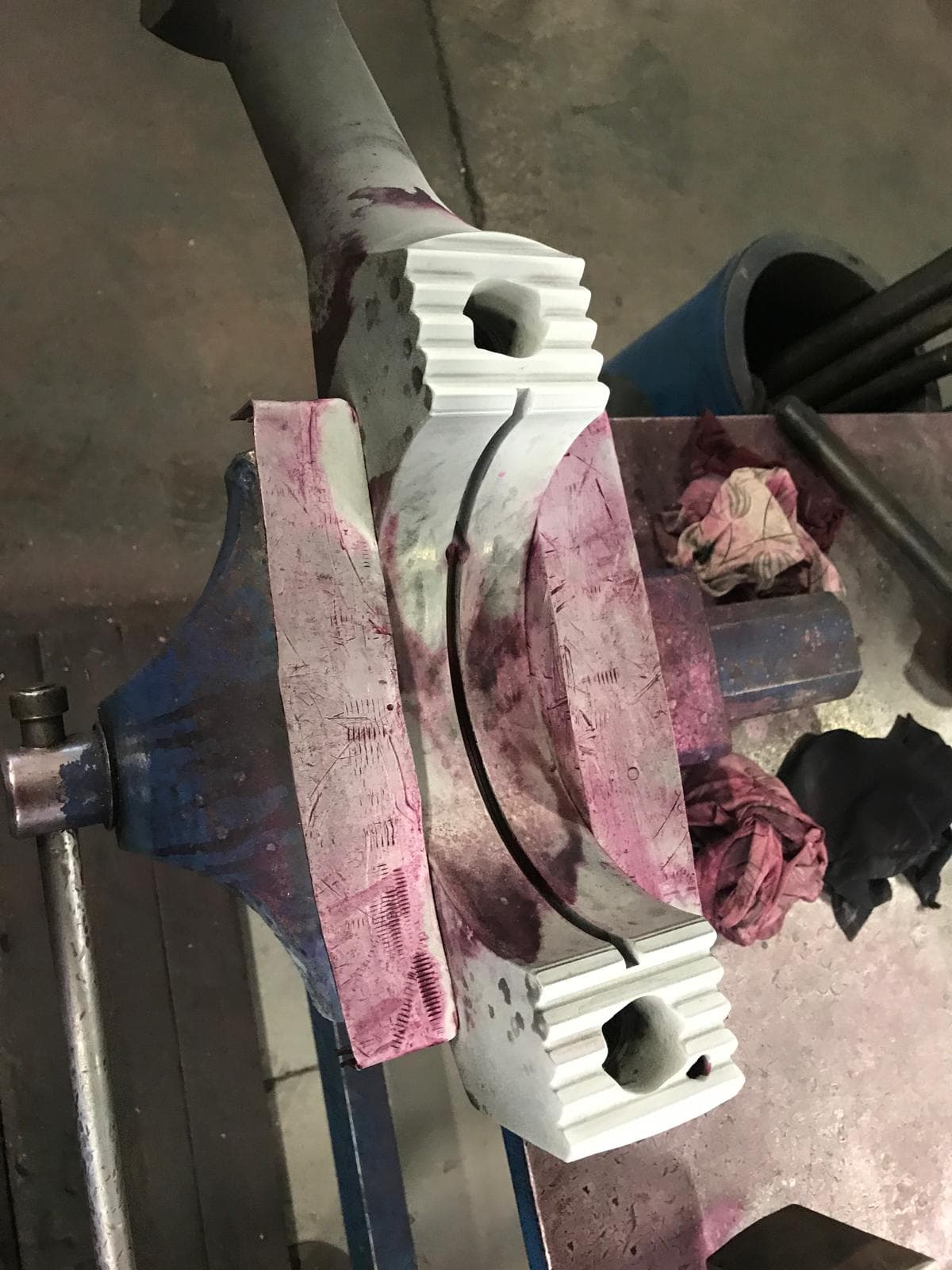
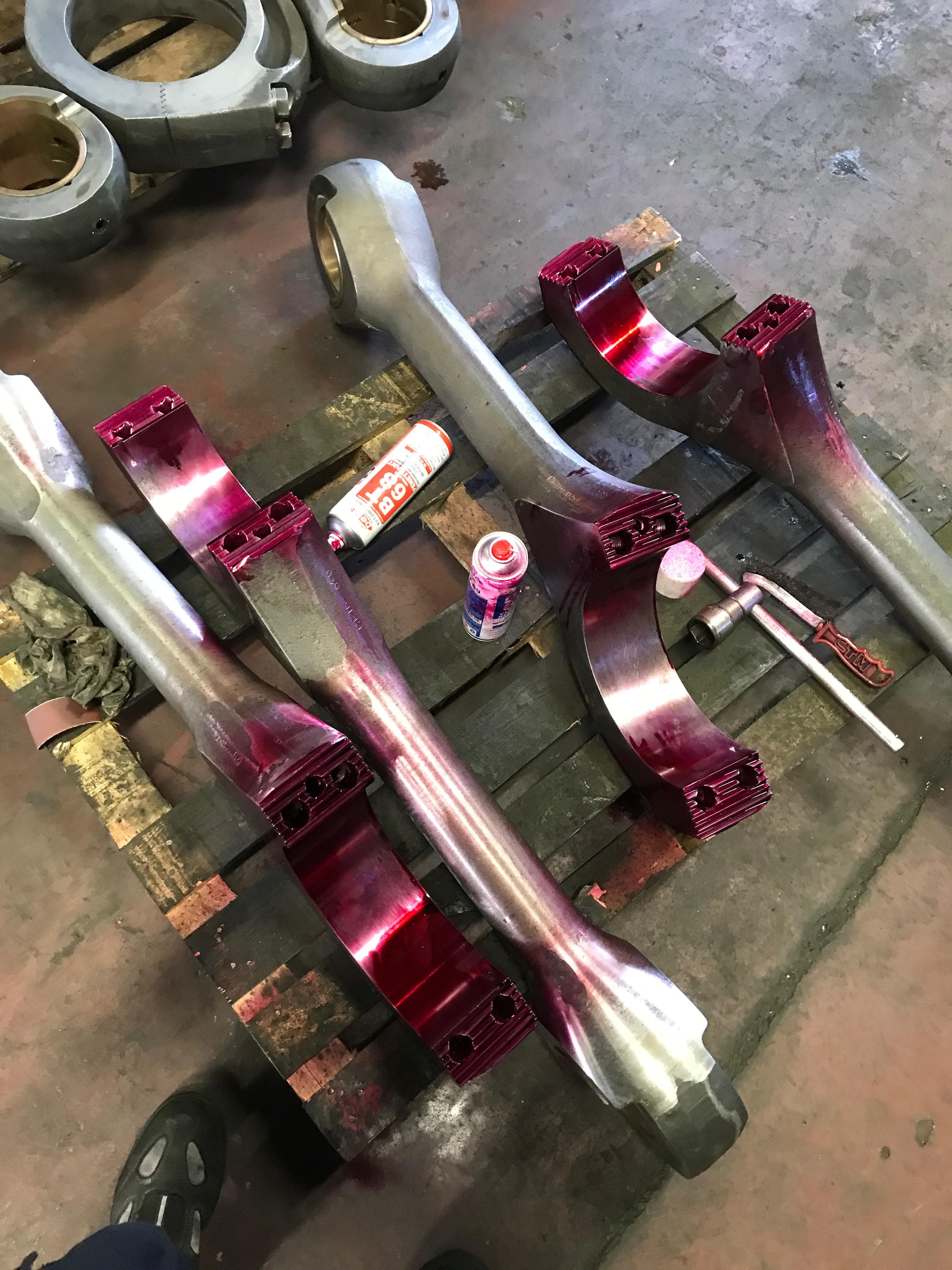
Surface cracks in connecting rods are searched for by liquid dye penetrant inspection and reported by location and length.
These cracks are often invisible to the eye, yet they can lead to rod failure while the engine is running. The test does not damage the part.
Photos from the Job

Process Steps
When It Is Needed
- After a bearing seizure or engine damage
- After an overspeed or a broken rod bolt
- At the engine maker's periodic inspection interval
- Before deciding to reuse a rod
Scope and Limits
- Dye penetrant inspection shows only surface-breaking cracks; it does not find internal flaws and does not measure crack depth.
- We do not repair cracked rods; acceptance or rejection follows the engine maker's instructions.
Frequently Asked Questions
Which method is used for the crack test?
Liquid dye penetrant. It reveals surface-breaking cracks only and does not find internal flaws.
What happens if a crack is found?
The location and length of the indication are reported. Whether the rod can be used is decided according to the engine maker's instructions; we do not repair cracked rods.
Contact Us Now
Tell us the engine make and model, the damage and where the vessel is; we will review it and get back to you.
Request a QuoteOther Services
10 servicesOther reconditioning work we do on board and in the workshop.
- In-situ crankpin grinding
- Stress relieving (heat treatment)
- Inspection and reporting
- Crankpin polishing
- Laser alignment check
- Cylinder liner honing
- Liner seating face grinding
- Crane seating face grinding
- Workshop machining
- Liner flange underside grinding