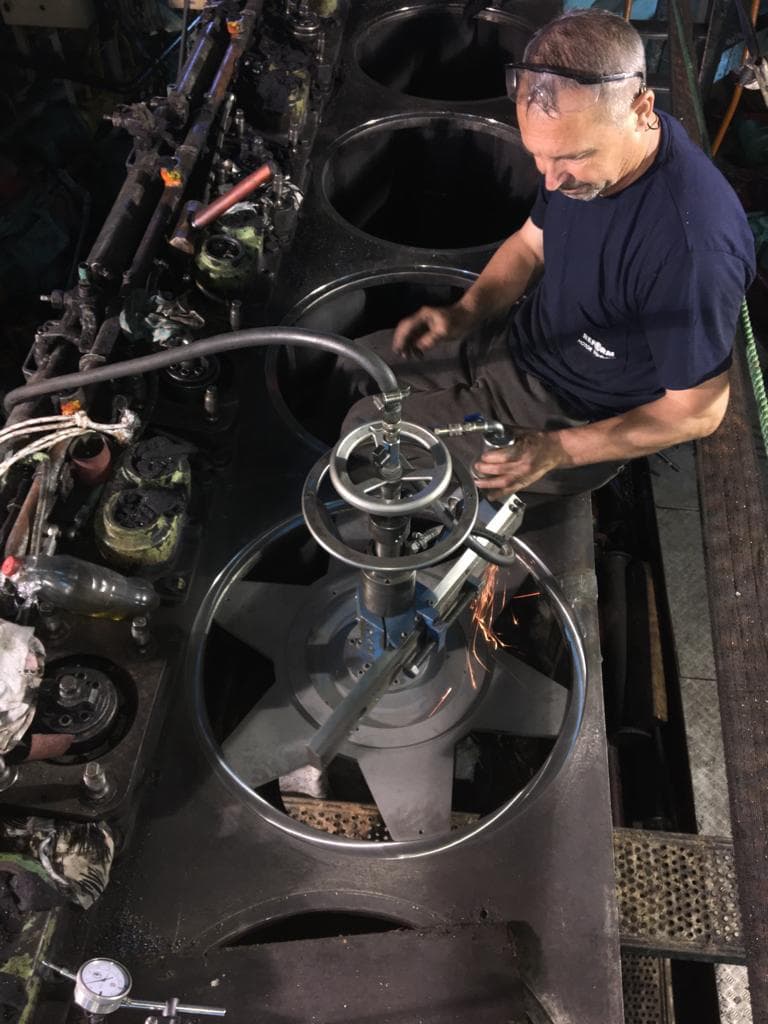
Liner Seating Face Grinding
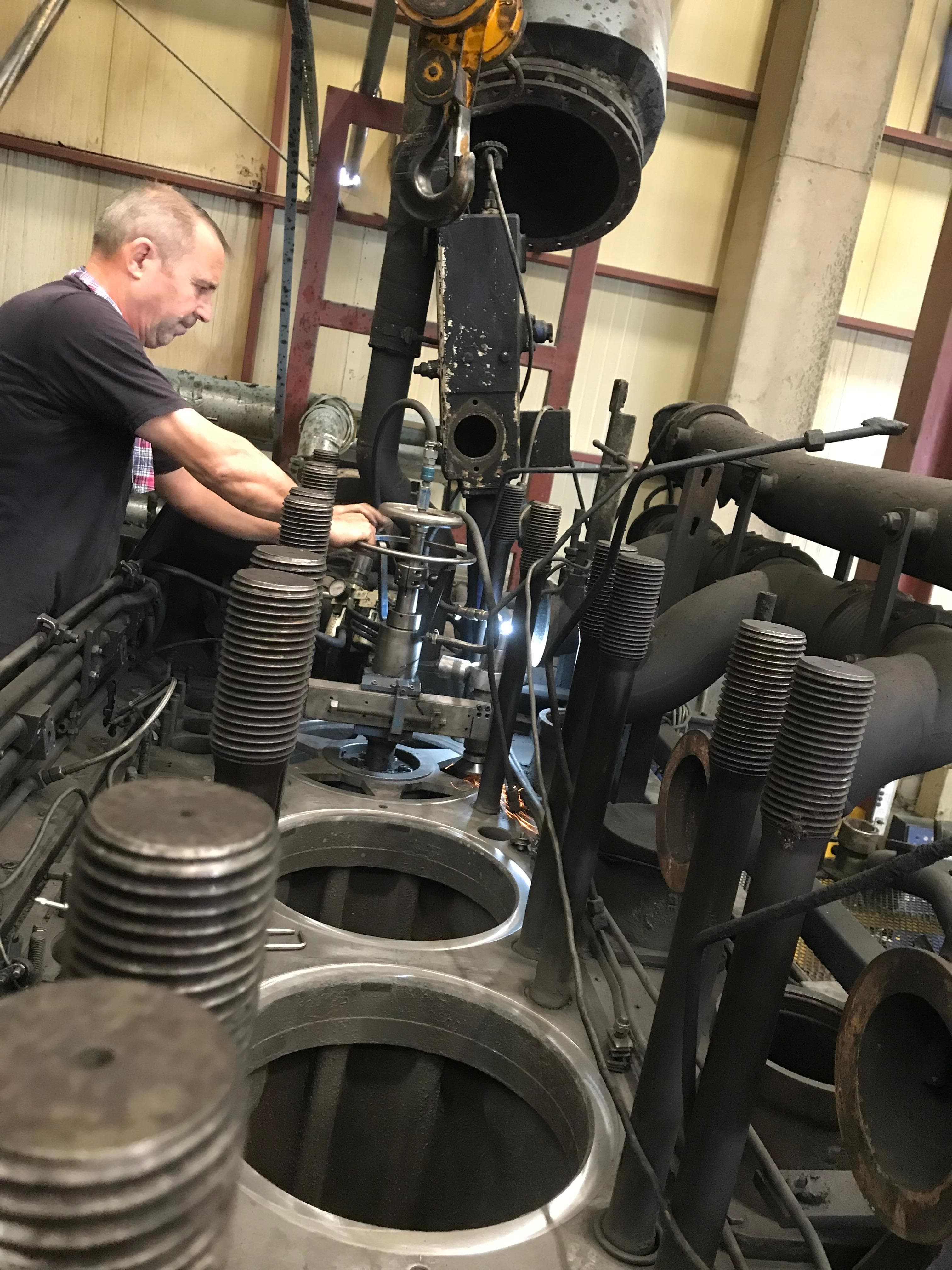
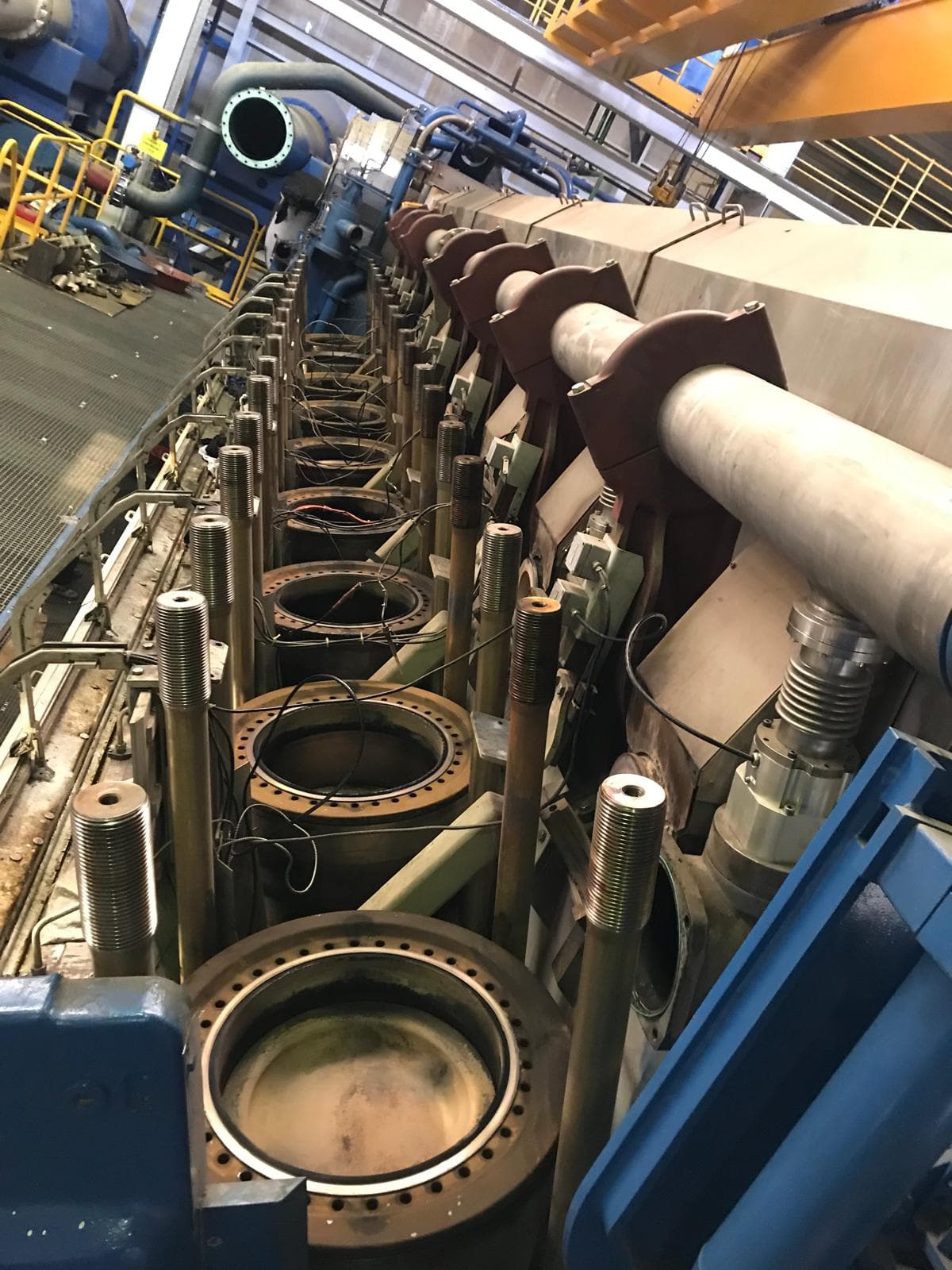
The flatness of the block face on which the cylinder liner seats, lost to wear, corrosion or pitting, is restored with a portable grinding rig without removing the block.

If the liner does not seat evenly on this face, the seal is lost and the liner flange is stressed locally.
Photos from the Job

Process Steps
When It Is Needed
- When cooling water or gas leaks past the liner flange
- When a new liner will not hold its protrusion or run-out
- When the liner flange cracks, a sign of uneven support
- When corrosion or pitting is found on the seating face with the liner out
Scope and Limits
- It does not repair block cracks.
- The effect of the removed material on liner height is compensated per the engine maker's instructions (shim or adjusting ring); we do not supply these parts.
- Grinding the liner flange underside is a separate service.
Frequently Asked Questions
Why does even seating matter so much?
Uneven support stresses the liner locally, leading to flange cracking and loss of seal. A flatness measurement shows the risk before the liner goes in.
Can it be done without removing the engine block?
Yes. The grinding rig is fixed to the engine block; the work is done on board with the block in place.
Contact Us Now
Tell us the engine make and model, the damage and where the vessel is; we will review it and get back to you.
Request a QuoteOther Services
10 servicesOther reconditioning work we do on board and in the workshop.
- In-situ crankpin grinding
- Stress relieving (heat treatment)
- Inspection and reporting
- Crankpin polishing
- Laser alignment check
- Cylinder liner honing
- Crane seating face grinding
- Workshop machining
- Connecting rod crack testing
- Liner flange underside grinding